Innovation

An ambitious R&D program and a technical leadership

John Cockerill hydrogen

The technical know-how of John Cockerill in the field of alkaline electrolyzers is based on decades of experience and more than 1,000 references. However, this mature technology still has room for improvement. Our ambitious R&D program aims to concretise this tremendous potential with the will to maintain and reinforce John Cockerill’s technical leadership of this technology.

For alkaline electrolyzers, our R&D objectives are focused on reducing the capital and operating costs (CAPEX & OPEX) of our installations. The main areas of research are in line with the roadmap dictated by the Clean H2 Alliance:

  • Optimization of the yield and efficiency of electrolyzer installations for higher and higher powers (20, 100 MW…)
  • Reduction of the specific electrical consumption of electrolyzers (kWh / Nm³)
  • Adaptation of electrolyzers to renewable energy sources
  • Increase of the current density

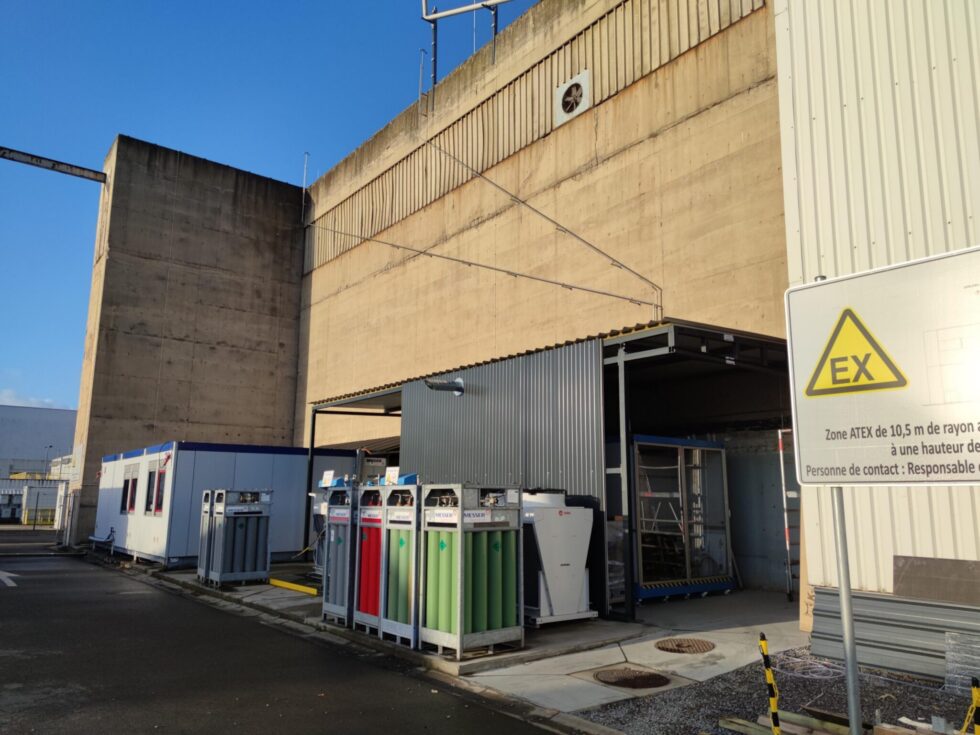
All of these advances are tested and validated in our test center located at John Cockerill headquarters. Testing of the PiFast project, to manufacture an industrial-scale European hydrolyser, is currently underway.

In parallel with these R&D topics, John Cockerill is also completing its product range by working on the certification of its products – in particular CE and ASME – and on modular solutions compatible with the needs of the mobility sector.

In the continuity of its historical activity in hydrogen, John Cockerill is always willing to provide solutions to meet the needs of its time and needs of its customers and wants to stay at the forefront of electrolysis technology. We are constantly creating partnerships with universities, research centres and industrial partners dedicated to alternative technologies for alkaline water electrolysis.
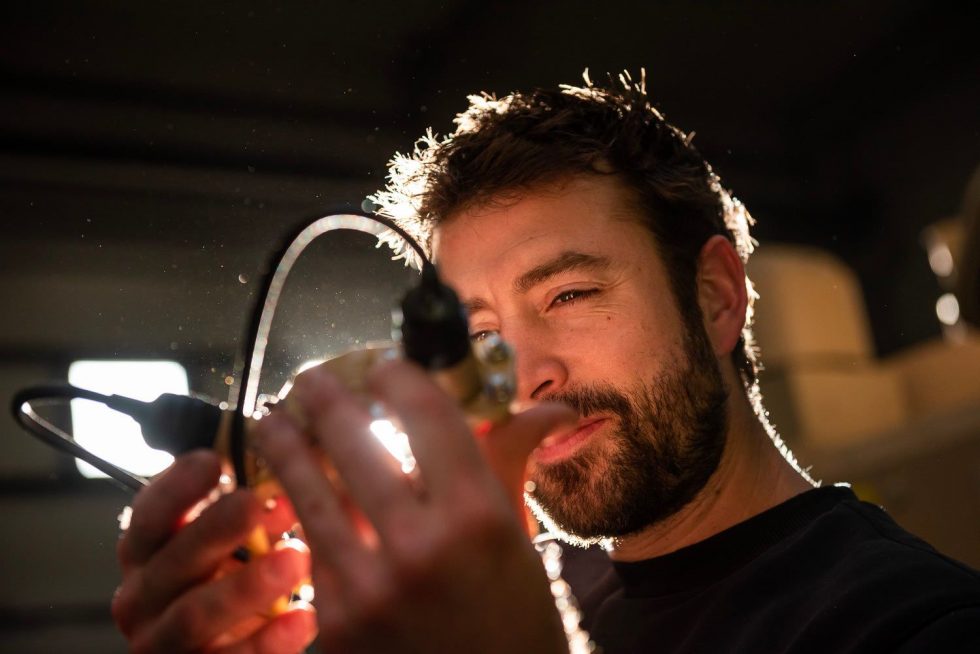
“Innovation is at the heart of our development strategy. Through collaborative research projects, we explore new technologies, improve electrolysis performance and prepare the solutions that will enable large-scale clean hydrogen production.”

GrHynE project

GrHynE is a research and innovation project focused on advancing alkaline electrolysis technologies for large-scale clean hydrogen production.

The project explores new solutions to improve the performance, reliability and competitiveness of electrolyzers. Activities include the optimisation of gas separation and treatment systems, the evaluation of innovative materials to enhance energy efficiency and durability, and the development of large-capacity electrolyzers.

The project will help advance the technologies required to support the large-scale industrial deployment of clean hydrogen production.

Funded by the European Union – NextGenerationEU under the Clean Hydrogen for Clean Industry programme.

HERAQCLES project

HERAQCLES is a research project dedicated to the development of an innovative anion exchange membrane (AEM) electrolysis technology.

The project combines a design-for-manufacturing approach with the development of novel components to facilitate stack industrialisation. Activities focus on improving system performance, economic competitiveness and compatibility with automated manufacturing processes.

Particular attention is given to durability, recyclability and quality in order to accelerate the industrial maturity of this emerging technology.

Read more
Logo Heraqcles

This project received funding from the Fuel Cells and Hydrogen 2 Joint Undertaking (now the Clean Hydrogen Partnership), supported by the European Union, Hydrogen Europe and Hydrogen Europe Research under the Horizon 2020 research and innovation programme.

HeCO2 project

HeCO2 is a portfolio of projects aimed at developing new industrial processes and innovative technologies that support both industrial decarbonisation and the competitiveness of Walloon industry.

Within this initiative, John Cockerill Hydrogen coordinates activities focused on clean hydrogen production through water electrolysis. The work includes improving electrolysis performance and developing 5 MW-class alkaline electrolysis solutions for industrial applications.

The project contributes to accelerating hydrogen adoption as an alternative to fossil fuels while supporting the transition towards a more sustainable industry.

Funded by the Walloon Region and the European Union – NextGenerationEU.

HeCO2 site

These projects are carried out with the support of European and regional funding programmes dedicated to research, innovation and the development of clean hydrogen technologies.